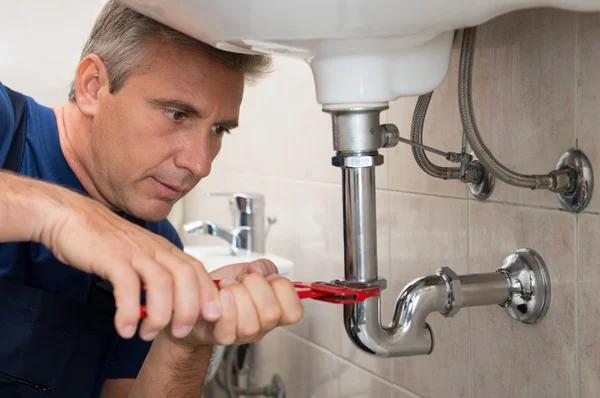
Ensuring your home heating system operates efficiently is crucial, especially during colder months when reliable warmth is a necessity. Scheduling timely repairs can save you from unexpected breakdowns, costly fixes, and discomfort. To help you manage this important task, here are some essential tips for scheduling home heating system repairs effectively.
First, always prioritize regular maintenance. Heating systems, whether they are furnaces, boilers, or heat pumps, require routine inspections to function optimally. Scheduling a professional check-up before the heating season begins helps identify minor issues before they escalate. This proactive approach not only extends the lifespan of your system but also improves energy efficiency, ultimately reducing your utility bills.
When it comes to booking repairs, timing is everything. Avoid waiting until your system completely fails during the coldest days of winter. Service providers tend to be in high demand during peak seasons, which can result in longer wait times and emergency repair charges. Instead, consider arranging repairs or maintenance during the shoulder seasons, such as late summer or early fall. This strategy ensures quicker service appointments and often better rates.
Choosing the right professional is equally important. Look for licensed and insured heating repair contractors with positive customer reviews and proven experience. A reputable technician will diagnose problems accurately, provide check here transparent pricing, and complete repairs efficiently. Requesting recommendations from friends, neighbors, or online community groups can help you find trustworthy providers. Additionally, verifying credentials and service guarantees adds an extra layer of confidence.
Communication is key when scheduling repairs. Clearly explain the symptoms your heating system is exhibiting and provide as much detail as possible. This information helps technicians prepare adequately, potentially reducing the time and cost of the repair. Also, inquire about the expected duration of the repair and any necessary follow-up services to plan accordingly.
Keep records of all repair and maintenance activities. Documenting service dates, parts replaced, and technician notes is invaluable for future reference. This history can assist in warranty claims and help your technician understand your system’s repair patterns, enabling better preventative care.
Finally, consider the long-term benefits of scheduling repairs promptly. Addressing issues early prevents small problems from turning into major malfunctions, saving money and stress. A well-maintained heating system ensures consistent comfort, safety, and energy efficiency, making your home a cozy haven during chilly weather.