
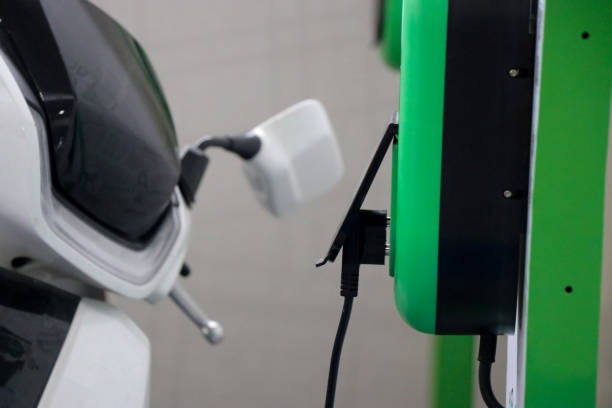
As we look towards the future of sustainable living, the integration of electric vehicle (EV) charging and solar energy into home designs is becoming increasingly essential. The shift towards renewable energy sources and cleaner transportation methods is not just a trend but a necessary evolution in response to environmental challenges. Building homes that incorporate these technologies is a crucial step in reducing our carbon footprint and promoting energy independence.
The concept of integrating EV charging stations within residential properties aligns with the growing adoption of electric vehicles worldwide. As more consumers opt for EVs, having convenient access to charging facilities at home becomes paramount. This convenience can significantly enhance get the details appeal of modern homes, making them more attractive to environmentally conscious buyers. Furthermore, installing an EV charger during construction rather than retrofitting it later can be more cost-effective and less disruptive.
Simultaneously, harnessing solar energy through photovoltaic panels on rooftops represents another leap forward in sustainable home design. Solar power offers homeowners an opportunity to generate their own electricity, thus reducing reliance on fossil fuels and lowering utility bills over time. The combination of solar panels with battery storage systems allows for efficient management of energy consumption throughout the day, storing excess power generated during sunny periods for use when needed most.
By merging these two technologies—solar power generation and EV charging infrastructure—we create a synergistic ecosystem within residential spaces that maximizes efficiency while minimizing environmental impact. Homes equipped with both features can effectively utilize solar-generated electricity to charge vehicles directly or store it for household use during peak times when grid demand—and costs—are higher.
Moreover, government incentives play a significant role in encouraging this transition towards greener homes. Many regions offer tax credits or rebates for installing solar panels or EV chargers as part of broader efforts to reduce greenhouse gas emissions and promote clean energy solutions. These financial benefits make investing in such technologies more accessible to homeowners who might otherwise be deterred by initial costs.
In addition to economic advantages, building future homes with integrated EV charging stations and solar energy systems contributes positively toward community resilience against climate change impacts. By decentralizing power generation through widespread adoption of rooftop solar installations coupled with local storage capabilities, neighborhoods become less vulnerable to disruptions caused by extreme weather events affecting centralized grids.
Ultimately, designing homes around sustainable principles is not merely about adopting new technologies; it’s about reimagining how we live harmoniously within our environment while preparing proactively for future challenges posed by climate change dynamics.
