
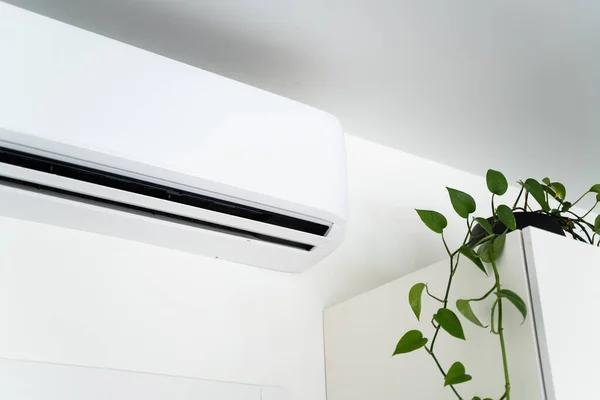
Air conditioners have become an integral part of modern living, providing comfort during hot weather by cooling indoor environments. However, beyond the obvious benefits of temperature regulation, there is a growing interest in understanding whether air conditioners can contribute to healthier indoor air quality. The quality of indoor air is crucial for health and well-being, as most people spend a significant amount of time indoors.
Air conditioning systems have the potential to improve indoor air quality under certain conditions. One primary function of these systems is to filter out dust particles and other airborne pollutants. Most modern air conditioners are equipped with filters that capture dust, pollen, pet dander, and even some bacteria and viruses. By removing these contaminants from the air, they help reduce allergy symptoms and respiratory issues among occupants.
Moreover, humidity control is another critical aspect where air conditioners can enhance indoor air health. High humidity levels create an ideal environment for mold growth and dust mites, both of which are common allergens that can exacerbate asthma and allergies. Air conditioners dehumidify the air as they cool it down; this website reduction in moisture levels helps prevent mold growth and limits dust mite populations.
However, while these benefits exist, it’s essential to recognize that not all air conditioning systems automatically make indoor environments healthier. The effectiveness largely depends on proper maintenance and regular cleaning of the units themselves. Filters must be cleaned or replaced routinely to ensure they function effectively; otherwise, clogged filters may circulate more pollutants than they capture.
Additionally, some older or poorly maintained units might accumulate mold within their components due to condensation buildup if not regularly serviced. This could potentially lead to poor indoor air quality rather than improvement.
Furthermore, while standard filters in many home AC units do remove larger particles like dust or pollen effectively enough for general comfort purposes—some smaller particulates such as smoke particles may require specialized HEPA (High-Efficiency Particulate Air) filters capable specifically designed at capturing finer material sizes often found associated with tobacco smoke etc.
In conclusion: yes -air conditioning systems indeed possess capacity making your home’s atmosphere cleaner healthier provided they’re properly maintained utilized correctly alongside appropriate filtration technology suited specific needs household members involved!
