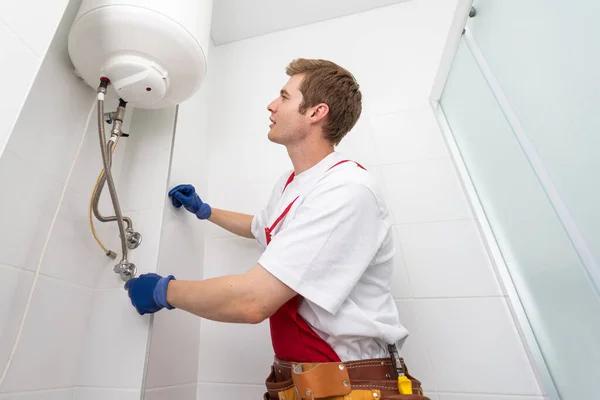
Repairing your hot water system at home can seem daunting, but with the right guidance and a bit of patience, you can tackle some common issues on your own. Before diving into any repairs, it’s crucial to ensure safety by turning off the power supply for electric systems or shutting off the gas valve for gas-powered units. Additionally, always let the water cool down before starting any work to avoid scalding.
One frequent issue with hot water systems is inadequate heating or no hot water at all. For electric heaters, this might be due to a faulty thermostat or heating element. Begin by checking the thermostat settings; they should typically be between 120-140 degrees Fahrenheit. If adjusting the temperature doesn’t resolve read the full article heating elements using a multimeter to determine if they’re functioning correctly. Replacing a defective element usually requires draining the tank and unscrewing it from its position.
For gas water heaters, insufficient heat may stem from issues with the pilot light or thermocouple. Ensure that the pilot light is lit and burning steadily; if not, relight it following manufacturer instructions found in your unit’s manual. A malfunctioning thermocouple might require cleaning or replacement if it’s not sensing that the pilot light is on.
Another common problem homeowners face is leaking around their hot water system. Leaks often occur due to loose connections or corrosion within pipes and fittings. Inspect all visible pipes and joints for signs of moisture accumulation or rust—tighten any loose fittings using appropriate tools like pipe wrenches while being careful not to overtighten them as this could cause further damage.
Sediment buildup in tanks can also lead to inefficiencies such as reduced capacity and overheating noises caused by boiling sediment particles at high temperatures inside metal components over time without proper maintenance practices employed regularly throughout operational life cycles (e.g., annual flushing sessions). To flush out sediments effectively: turn off power/gas supply first then connect garden hose securely onto drain valve located near bottom portion exterior surface area followed opening said valve allowing accumulated debris exit safely away from living spaces until clear stream flows uninterruptedly once more signifying successful removal process completion achieved satisfactorily overall result-wise speaking here today now indeed!
Lastly yet importantly remember periodic inspections help identify potential problems early preventing costly repairs later down line so make habit scheduling routine check-ups every few months ensuring everything remains optimal working order long term perspective view point taken consideration accountancy matters involved herein discussed previously earlier sections above mentioned accordingly thus far forthwith conclusively stated overall summary fashion presented contextually coherent manner intended purposefully designed article format structure layout wise inherently consistent nature thereof ultimately resulting beneficial outcomes hopefully achieved desired goals objectives set initially outset commencement stage planning phase initiated originally prior engagement undertaken task assignment completion finalized successfully end note conclusion reached hereby stated affirmatively positively!