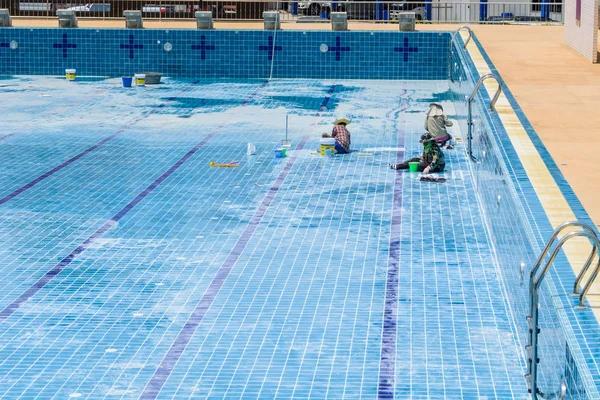
Swimming pools are often seen as a symbol of luxury and relaxation, providing a perfect escape from the summer heat. However, beneath the shimmering surface can lie hidden hazards that not only compromise the aesthetic appeal but also pose significant safety risks. Recognizing these warning signs is crucial for ensuring that your pool remains both beautiful and safe for everyone to enjoy.
One of the most common indicators that a pool requires renovation is persistent leaks. While minor water loss due to evaporation is normal, excessive leakage can lead to costly water bills and structural damage over time. Leaks may result from cracks in the pool shell or deteriorating plumbing systems, which can weaken the surrounding area and potentially cause further damage if left unaddressed.
Another critical issue is outdated electrical systems. Pool lighting and filtration systems rely on intricate wiring, which can degrade over time due to exposure to moisture and chemicals. Faulty wiring not only affects functionality but also increases the risk of electrical shock—a hazard that demands immediate attention for any responsible pool owner.
The condition of your pool’s surface also serves as a telling sign of underlying problems. Peeling plaster or chipped tiles not only detract from your pool’s appearance discover more but can also harbor algae growth or create sharp edges that pose physical dangers to swimmers. Such deterioration often indicates deeper issues with water chemistry balance or structural integrity.
Additionally, poor circulation caused by an inadequate filtration system leads to cloudy water conditions and promotes bacterial growth, making swimming unpleasant at best—and unsafe at worst. An efficient filtration system ensures clean water free from harmful pathogens while maintaining optimal chemical levels essential for swimmer safety.
Furthermore, consider whether your current design meets modern standards for accessibility and energy efficiency. Older pools may lack features such as slip-resistant surfaces around decks or energy-efficient pumps designed specifically with sustainability in mind—both important factors when evaluating necessary updates during renovations aimed at enhancing overall usability alongside environmental responsibility considerations alike!
Lastly but importantly: compliance matters!