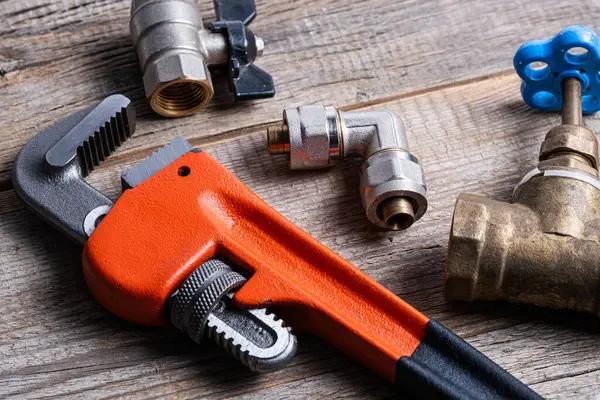
Replacing aging plumbing lines is a significant undertaking that requires careful consideration and planning. As homes and buildings age, the plumbing systems within them can become outdated and prone to leaks, corrosion, or other issues that may necessitate replacement. Before embarking on this project, there are several key considerations to keep in mind to ensure a successful outcome.
Firstly, it is essential to assess the current state of your plumbing system. This involves conducting a thorough inspection of all visible pipes for signs of wear and tear such as rust, discoloration, or leaks. Engaging a professional plumber for this task can provide an expert evaluation and help identify areas that require immediate attention versus those that may still have some years left before needing replacement.
Another important consideration is get the details type of material used in your existing plumbing system and what you plan to use for the new installation. Older homes often have pipes made from materials like galvanized steel or cast iron which are more susceptible to corrosion over time. Modern options include copper, PEX (cross-linked polyethylene), and CPVC (chlorinated polyvinyl chloride), each with its own set of advantages in terms of durability, cost-effectiveness, and ease of installation.
Budgeting plays a crucial role in any home improvement project. Replacing plumbing lines can be costly depending on the size of your home or building and the complexity involved in accessing old pipes. It is advisable to obtain multiple quotes from reputable plumbers to compare costs while ensuring they cover necessary permits and inspections required by local regulations.
Timing is another factor worth considering when planning pipe replacements. Ideally, such projects should be scheduled during periods when they will cause minimal disruption to daily activities within the household or business operations if applicable. Additionally, seasonal weather conditions might impact both scheduling availability with contractors as well as potential complications during installation processes especially if excavation work outdoors becomes necessary.
Moreover understanding local building codes related specifically towards residential/commercial piping systems ensures compliance avoiding future legal/financial liabilities due negligence oversight occurring post-installation phase completion itself! Consulting municipal authorities directly verifies adherence these standards protecting investment long-term perspective providing peace-of-mind knowing everything done correctly according guidelines established governing bodies overseeing construction industry practices overall!
Finally yet importantly communication between homeowner/plumber remains paramount throughout duration entire process commencing initial consultations through final walkthroughs addressing possible concerns arise along way maintaining transparency trustworthiness partnership formed ensuring satisfaction achieved end result desired goal accomplished effectively efficiently ultimately benefiting everyone involved positively impacting quality life enjoyed thereafter moving forward together collectively collaboratively harmoniously seamlessly transitioning into next chapter journey undertaken successfully mutually beneficially forevermore!