
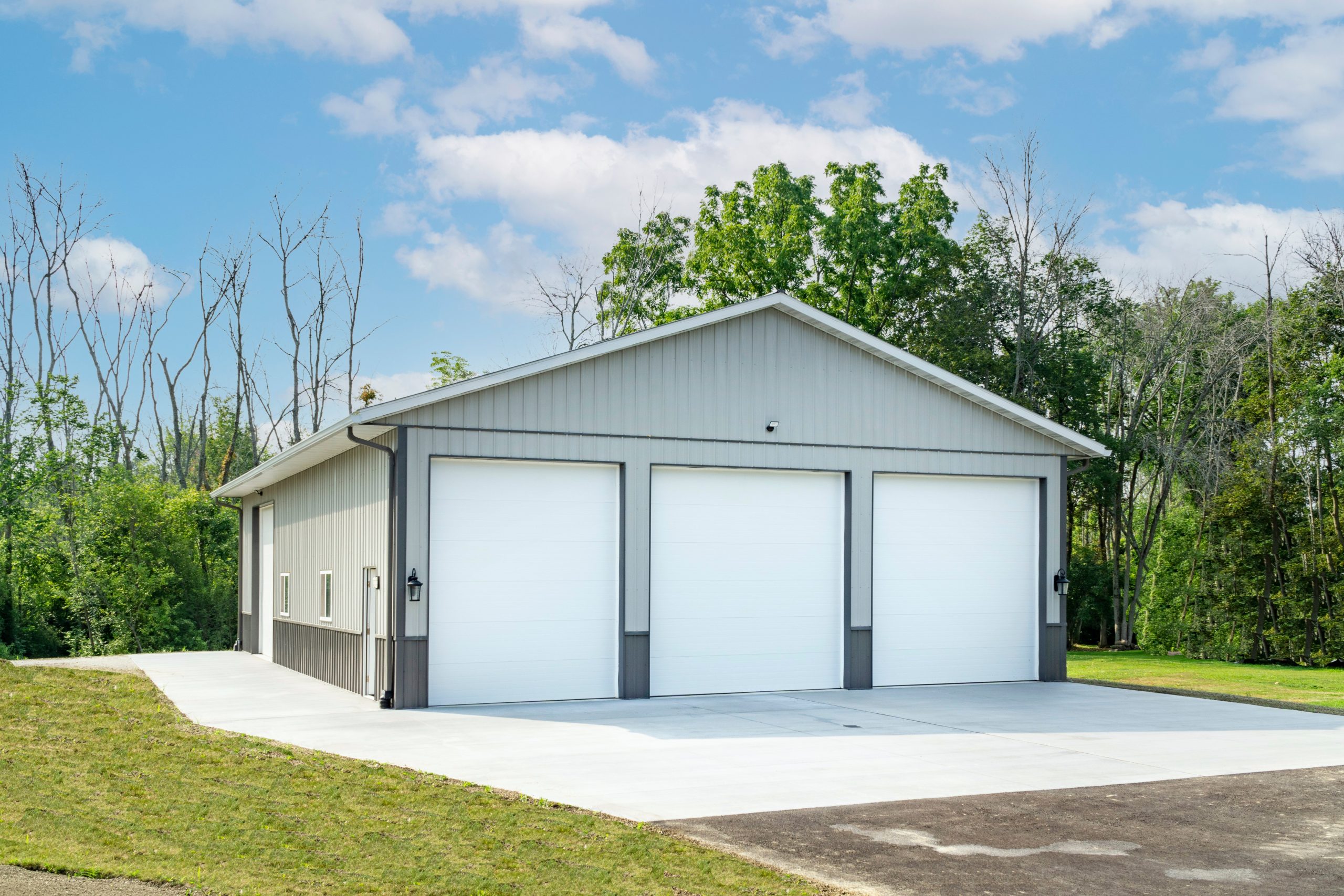
When considering a new building for agricultural, residential, commercial, or storage purposes, durability is often one of the most important factors. Property owners want a structure that can withstand harsh weather, require minimal maintenance, and provide reliable performance for decades.
Pole barn buildings have earned a reputation for being cost-effective and versatile, but many people still wonder: How durable is pole barn buildings?
The answer is simple, when properly designed and constructed, pole barns are exceptionally durable structures that can last 40 to 60 years or more. Modern post-frame construction techniques, high-quality materials, and engineered designs have transformed pole barns into long-lasting buildings capable of withstanding challenging environmental conditions.
What Makes Pole Barns So Durable?
Pole barns use a construction method known as post-frame construction. Unlike traditional stick-built structures that rely on continuous foundations and closely spaced framing members, pole barns utilize large structural posts embedded in the ground or mounted on concrete piers.
This design offers several durability advantages:
- Strong structural support
- Fewer load-bearing walls
- Greater flexibility under stress
- Enhanced resistance to wind forces
- Efficient weight distribution
These characteristics allow pole barns to perform exceptionally well in a wide range of climates and conditions.
Lifespan of a Pole Barn Building
A professionally built pole barn can easily last several decades.
Typical lifespan estimates include:
- Basic pole barn: 30–40 years
- Well-maintained pole barn: 40–60+ years
- Premium post-frame building with quality materials: 60+ years
The actual lifespan depends on factors such as construction quality, maintenance practices, environmental conditions, and material selection.
Wind Resistance
One of the greatest strengths of modern pole barns is their ability to withstand high winds.
Because the posts are deeply anchored into the ground and connected through engineered truss systems, pole barns can perform exceptionally well during severe weather events.
Many professionally engineered pole barns are designed to meet local wind-load requirements and can withstand wind speeds exceeding 100 mph, depending on location and building specifications.
Why Wind Resistance Matters
Strong wind performance is particularly important for:
- Agricultural buildings
- Equipment storage facilities
- Commercial structures
- Rural properties
- Coastal regions
Proper engineering helps ensure the building remains structurally sound during storms and extreme weather.
Snow Load Performance
Pole barns are commonly built in regions that experience heavy snowfall.
Modern post-frame buildings are engineered to handle significant snow loads through:
- Reinforced trusses
- Proper roof pitch design
- Engineered load calculations
- Strong structural connections
When designed correctly, a pole barn can safely support large amounts of accumulated snow without compromising structural integrity.
Resistance to Ground Movement
Traditional structures with rigid foundations can sometimes experience cracking when soil shifts or settles.
Pole barns offer a unique advantage because their post-frame design provides a degree of flexibility.
This flexibility allows the structure to absorb minor ground movement more effectively than some conventional construction methods.
As a result, pole barns often perform well in areas where seasonal soil expansion and contraction occur.
Modern Materials Improve Durability
Today’s pole barns are built using materials that are significantly more durable than those used decades ago.
Common upgrades include:
Pressure-Treated Posts
Pressure-treated wood resists:
- Rot
- Insect damage
- Moisture-related deterioration
These treatments greatly extend the lifespan of structural posts.
Steel Roofing and Siding
Modern steel panels offer:
- Corrosion resistance
- Weather protection
- Fire resistance
- Minimal maintenance requirements
High-quality steel roofing can last 40 years or more with proper care.
Engineered Trusses
Engineered roof trusses are designed to meet specific load requirements and provide superior strength compared to many traditional framing methods.
How Pole Barns Handle Extreme Weather
Heavy Rain
Proper drainage systems, roofing materials, and site grading help protect pole barns from water damage.
Features such as:
- Gutters
- Downspouts
- Roof overhangs
- Drainage swales
help direct water away from the structure.
High Temperatures
Steel roofing and siding systems perform well in hot climates when properly ventilated and insulated.
Ventilation systems help reduce heat buildup and improve interior comfort.
Freezing Temperatures
Pole barns can be insulated to maintain comfortable temperatures and reduce the impact of freezing conditions on building materials.
Fire Resistance Considerations
While wood framing is combustible, many pole barns incorporate steel roofing and siding that provide additional fire protection.
Property owners can further improve fire resistance by installing:
- Fire-rated insulation
- Fire-resistant interior finishes
- Sprinkler systems
- Proper electrical installations
These upgrades enhance safety while preserving the building’s durability.
Common Threats to Pole Barn Longevity
Although pole barns are highly durable, certain factors can shorten their lifespan if not addressed.
- Poor Drainage: Standing water around posts can accelerate deterioration over time.
- Lack of Maintenance: Ignoring small issues such as damaged roofing, loose fasteners, or clogged gutters can lead to larger problems.
- Low-Quality Materials: Choosing inferior materials may reduce durability and increase future repair costs.
- Improper Construction: Even the best materials cannot compensate for poor workmanship. Hiring an experienced pole barn builder is essential for long-term performance.
Maintenance Tips for Maximum Durability
To extend the life of your pole barn:
- Inspect the roof annually.
- Clean gutters and drainage systems.
- Check for loose fasteners.
- Monitor posts for signs of damage.
- Repair minor issues promptly.
- Maintain proper site drainage.
- Trim vegetation around the structure.
Regular maintenance helps protect your investment and prevent costly repairs.
Pole Barns vs. Traditional Buildings
Many people assume traditional construction is inherently stronger than post-frame construction. In reality, modern pole barns often match or exceed traditional structures in key performance areas.
Advantages of Pole Barn Durability
- Excellent wind resistance
- Flexible structural design
- Efficient load distribution
- Lower maintenance requirements
- Long service life
- Cost-effective construction
When properly engineered, pole barns provide exceptional durability while often costing less than conventional building methods.
The answer is very durable. Modern pole barns are engineered to withstand heavy winds, snow loads, temperature extremes, and everyday wear while providing decades of reliable service. With quality materials, professional construction, and routine maintenance, a pole barn can easily last 40 to 60 years or even longer.
Whether you’re building a workshop, agricultural facility, commercial building, garage, or barndominium, a well-designed pole barn offers the strength, resilience, and long-term value needed to protect your investment for generations.
